May is recognized globally as Stroke Awareness Month, and Pemi-Baker Hospice & Home Health is taking this opportunity to educate the community about the importance of stroke prevention, recognition, and recovery. As a leading provider of home-based healthcare services, Pemi-Baker Hospice & Home Health is dedicated to raising awareness about strokes and offering specialized care to help individuals recover in the comfort of their own homes.
Stroke is a serious medical condition that occurs when the blood supply to the brain is interrupted or reduced, leading to the sudden loss of brain function. It is a leading cause of disability and death worldwide. A stroke happens in America every 40 seconds, and someone dies of it every four minutes.
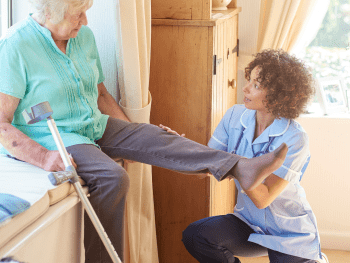
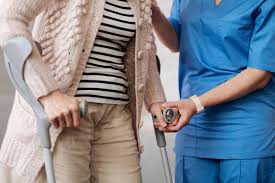
Recognizing the significance of stroke prevention and recovery, Pemi-Baker Hospice & Home Health employs a team of highly skilled and compassionate healthcare professionals, including nurses, occupational therapists, and physical therapists, who are experienced in providing expert care and support to stroke patients. These professionals play a vital role in helping individuals regain their independence, improve their quality of life, and enhance their overall well-being.
“Our dedicated team at Pemi-Baker Hospice & Home Health understands the challenges faced by stroke survivors and their families,” said Danielle Paquette-Horne, Executive Director at Pemi-Baker Hospice & Home Health. “We aim to raise awareness about stroke prevention and provide comprehensive, personalized care to stroke patients in the comfort and familiarity of their own homes. Our nurses, occupational therapists, and physical therapists work collaboratively to develop customized treatment plans that address the unique needs of each individual, helping them regain their strength, mobility, and independence.”
Pemi-Baker Hospice & Home Health offers a wide range of services to support stroke patients during their recovery journey. These include skilled nursing care, physical therapy, occupational therapy, speech therapy, medication management, pain management, emotional support, and caregiver education. By delivering these services directly to patients’ homes, Pemi-Baker Hospice & Home Health ensures convenience, comfort, and personalized attention throughout the recovery process.
During Stroke Awareness Month, Pemi-Baker Hospice & Home Health encourages everyone to educate themselves and their loved ones about the warning signs of stroke. Prompt recognition and immediate medical attention can significantly improve outcomes for stroke patients.  Remember to think “FAST” and look for the following signs:
- Face drooping: Does one side of the face droop or feel numb?
- Arm weakness: Is one arm weak or numb? Ask the person to raise both arms. Does one arm drift downward?
- Speech difficulty: Is speech slurred or hard to understand? Ask the person to repeat a simple sentence.
- Time to call emergency services: If any of these symptoms are present, call emergency services immediately.
By raising awareness about stroke prevention, recognizing the signs of stroke, and highlighting the importance of home-based care, Pemi-Baker Hospice & Home Health aims to make a positive impact on the lives of stroke survivors and their families. For more information about their services or to schedule a consultation, please visit www.pbhha.org or call 603-536-2232.
Pemi-Baker Hospice & Home Health is a trusted, nonprofit agency proudly serving 29 towns in central and northern NH since 1967. Expert services include at-home healthcare and physical therapies (VNA), hospice and palliative care, and community programs including: American Red Cross CPR/AED/FA, Caregiver and Bereavement Support Groups and Ask A Pemi-Baker Nurse days at your local senior centers. Providing compassionate care with experienced staff who are trained, certified professionals and also your neighbors. In your time of need, we’re right where you need us.
Pemi-Baker is located at 101 Boulder Point Drive, Suite 3, Plymouth, NH. To contact us please call: 603-536-2232 or email: info@pbhha.org Like our Facebook Page: @pemibakerhospicehomehealth


 The
The 


 Another benefit that at-home therapy provides, is the opportunity to assess the safety and accessibility of the home environment. A therapist’s trained eyes can spot fall hazards or bathroom dangers and provide helpful preventive advice.
 The existence of hospice makes this level of freedom available to many who otherwise would not have had it. Hospice care offers 24/7 clinical support, medication and pain management, assistance with daily living activities, medical supplies and equipment, volunteer support and companionship, social, spiritual and grief support from social workers and chaplains, for the whole family.
 The elderly who wish to retain the freedom of staying in their home and ending their lives on their own terms experience true psychological benefits. Their comfortable surroundings allow them to end their lives with a sense of dignity, which is incredibly valuable. In fact, home care harkens back to older days, when tending to the terminally ill at home was the standard. There’s always the added benefit of being closer to their loved ones in their final days.
 Through Central NH RPHN COVID-19 response efforts, Angel has collaborated with partners across sectors in providing situational awareness, aiding partners in obtaining Personal Protective Equipment (PPE), standing up and demobilizing an Alternative Care Site (ACS), coordinating and operating mobile vaccine clinics addressing inequities, securing vaccine to meet Central NH RPHN needs and recently this partnership with PBCH to administer COVID-19 vaccine to homebound residents.
 certain activities that once seemed simple can become more difficult to manage.
 nal and physical therapy when he gets home following knee surgery. The nurse can help your Mom learn to manage her medications safely and help her learn ways to manage her overall health more effectively. Occupational and physical therapy will provide training on the best exercises Dad can do to strengthen his knee so he can get back to doing the things he enjoys.
 How does a patient access skilled home health thru Pemi-Baker Community Health?